Industrial loft apartments with exposed brick walls
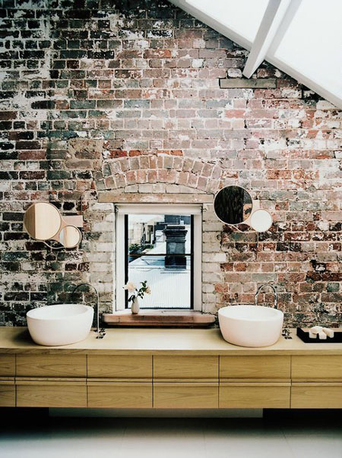
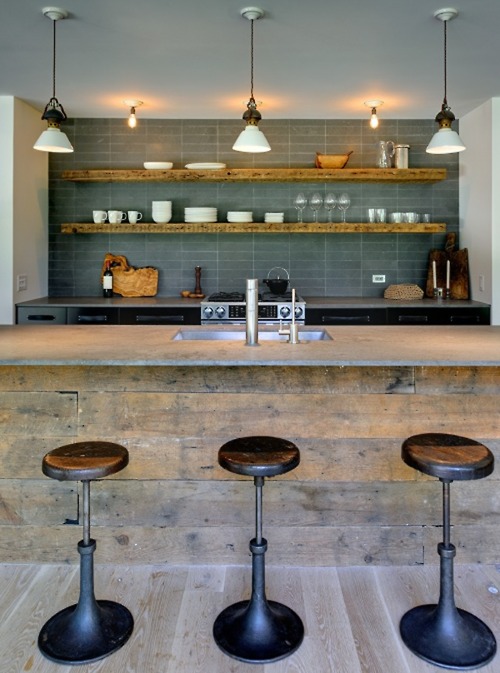
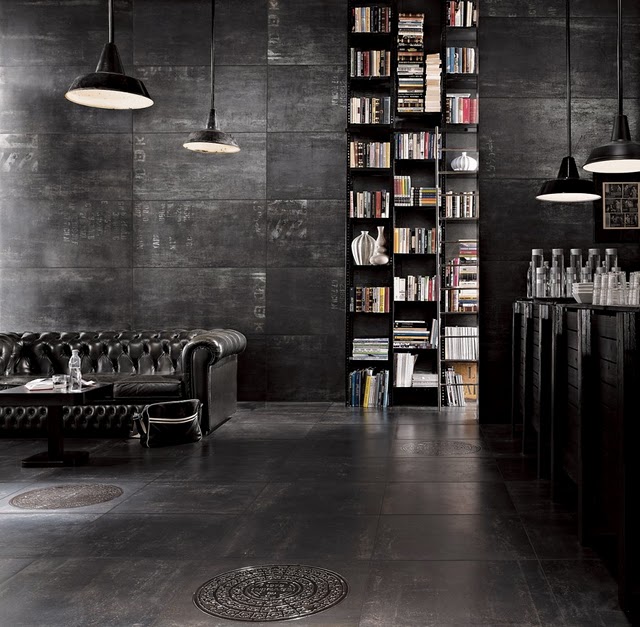
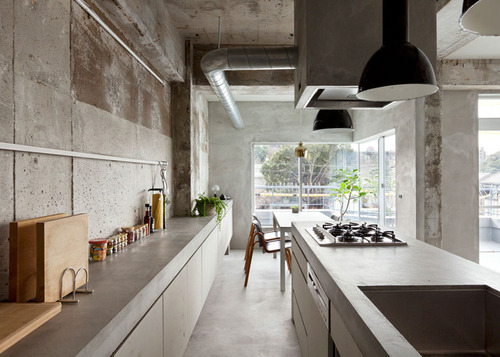
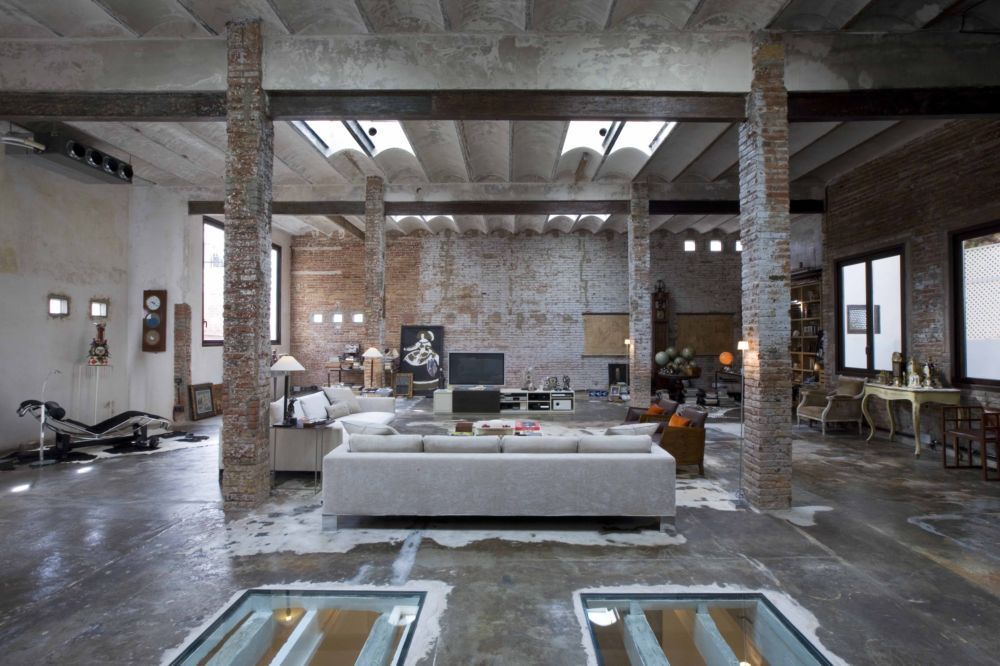
The conversion of industrial buildings into residential lofts represents one of the most successful marriages of preservation and contemporary design. This collection examines spaces that honor their warehouse origins while providing sophisticated modern living environments. Each image showcases how raw structural elements like exposed brick, concrete surfaces, and steel framework become the defining aesthetic features rather than details to conceal.
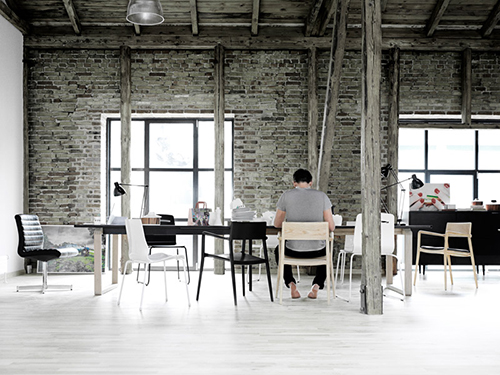
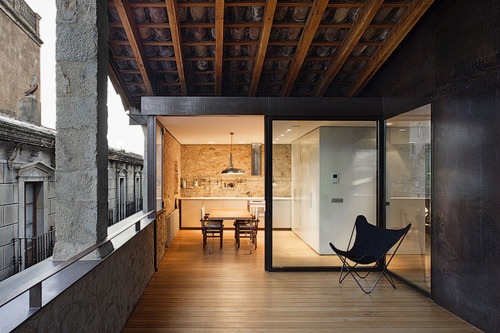
The beauty of these conversions lies in their material honesty. Brick walls display decades of patina and texture. Concrete floors bear the marks of their industrial past. Wooden beams and steel supports remain visible overhead, reminding residents of the buildings' original purpose. These aren't cosmetic additions but authentic architectural bones that developers and designers chose to celebrate.
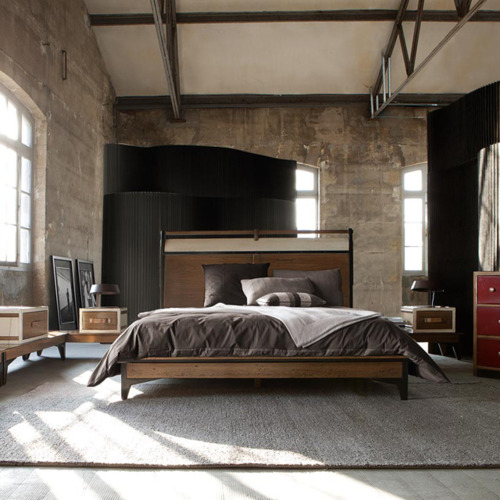
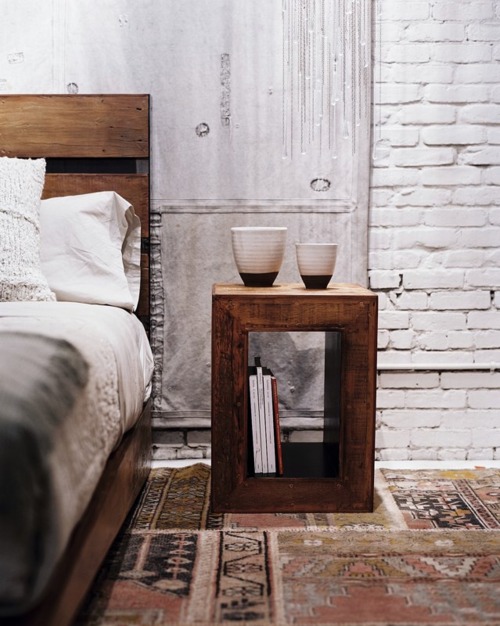
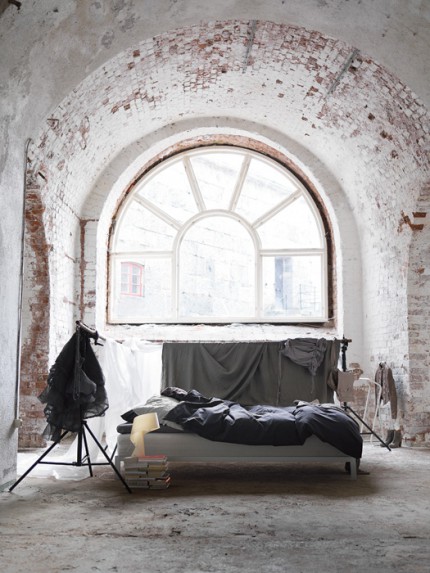
What makes these spaces livable rather than merely dramatic is the careful balance between industrial roughness and domestic comfort. Against raw brick walls, designers place refined furnishings in natural materials. Underneath exposed ceiling structures, they create intimate zones with warm lighting and textured textiles. Large factory windows flood converted spaces with natural light, transforming what were once purely functional work environments into bright, airy homes.
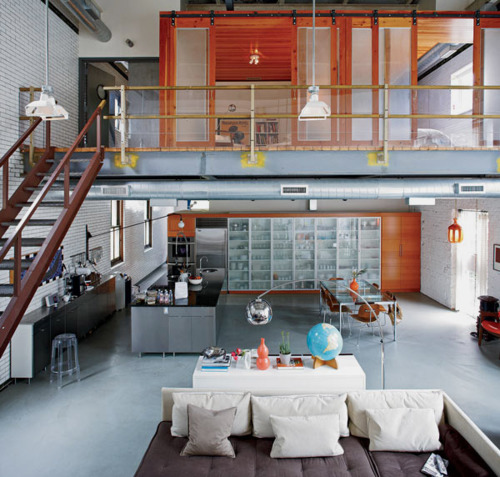
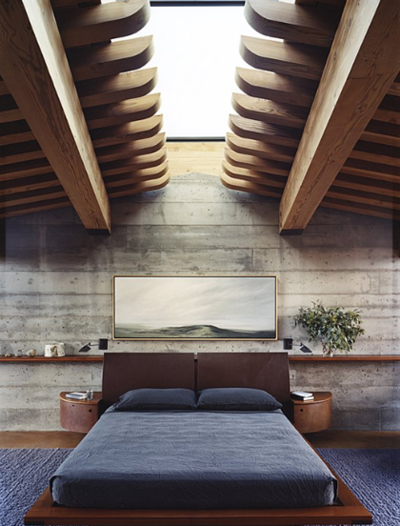
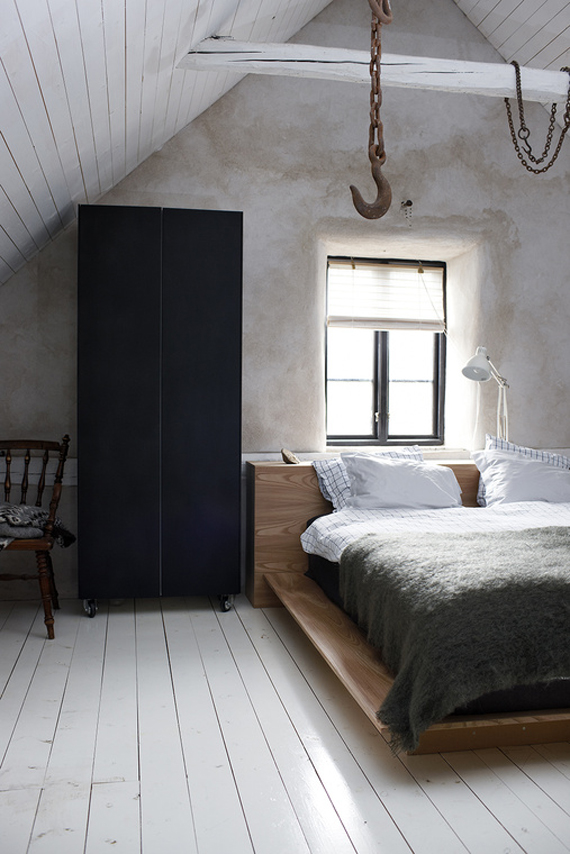
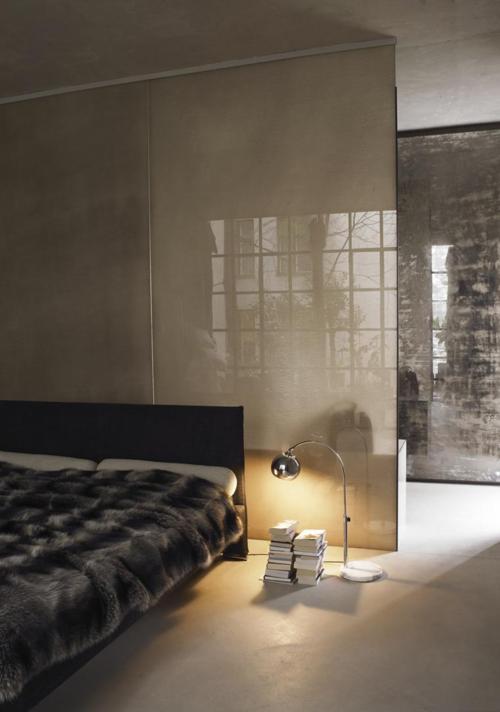
The collection includes bedrooms tucked under timber beams, kitchens where stainless steel appliances complement dark brick walls, and double-height living areas that preserve the soaring proportions of their warehouse origins. Some spaces embrace a minimal approach with concrete and glass, while others add warmth through wood floors and leather furnishings. The common thread is respect for the building's history paired with thoughtful modern intervention.
These images demonstrate different approaches to loft living across various scales and budgets. From dramatic mezzanine levels to intimate attic conversions, each space shows how industrial elements provide a compelling backdrop for contemporary life. The exposed materials offer texture and character that new construction struggles to replicate, creating homes with genuine architectural presence.